
"I remember being pretty stoked about where we were heading with the platform when you jumped in on the redesign for Ping Exchange. Some stellar work we've done, well done!"
Marian_ve
Design Lead, Core Blockchain
OVERVIEW
Cryptocurrency trading platform for both experienced traders and beginners
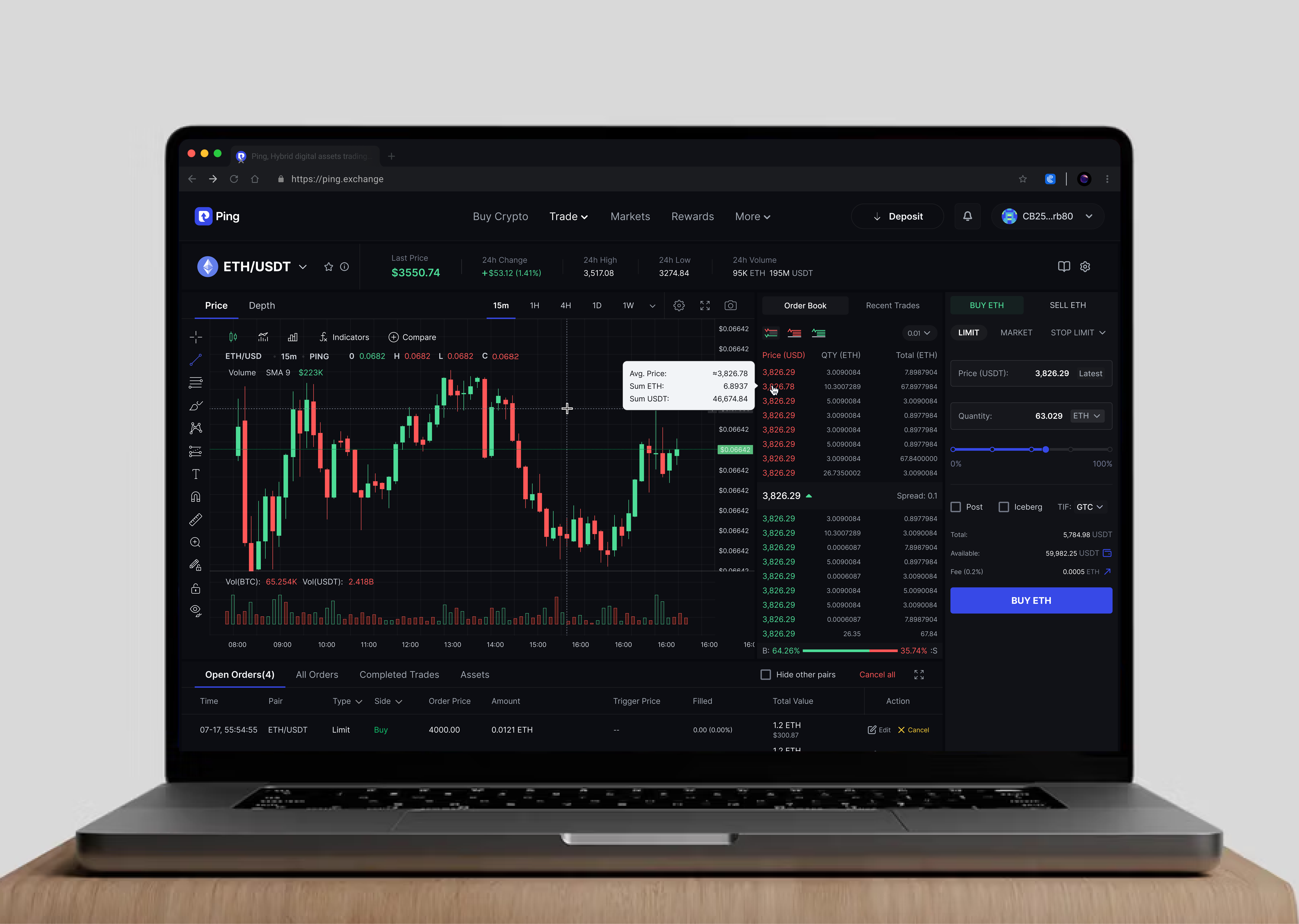
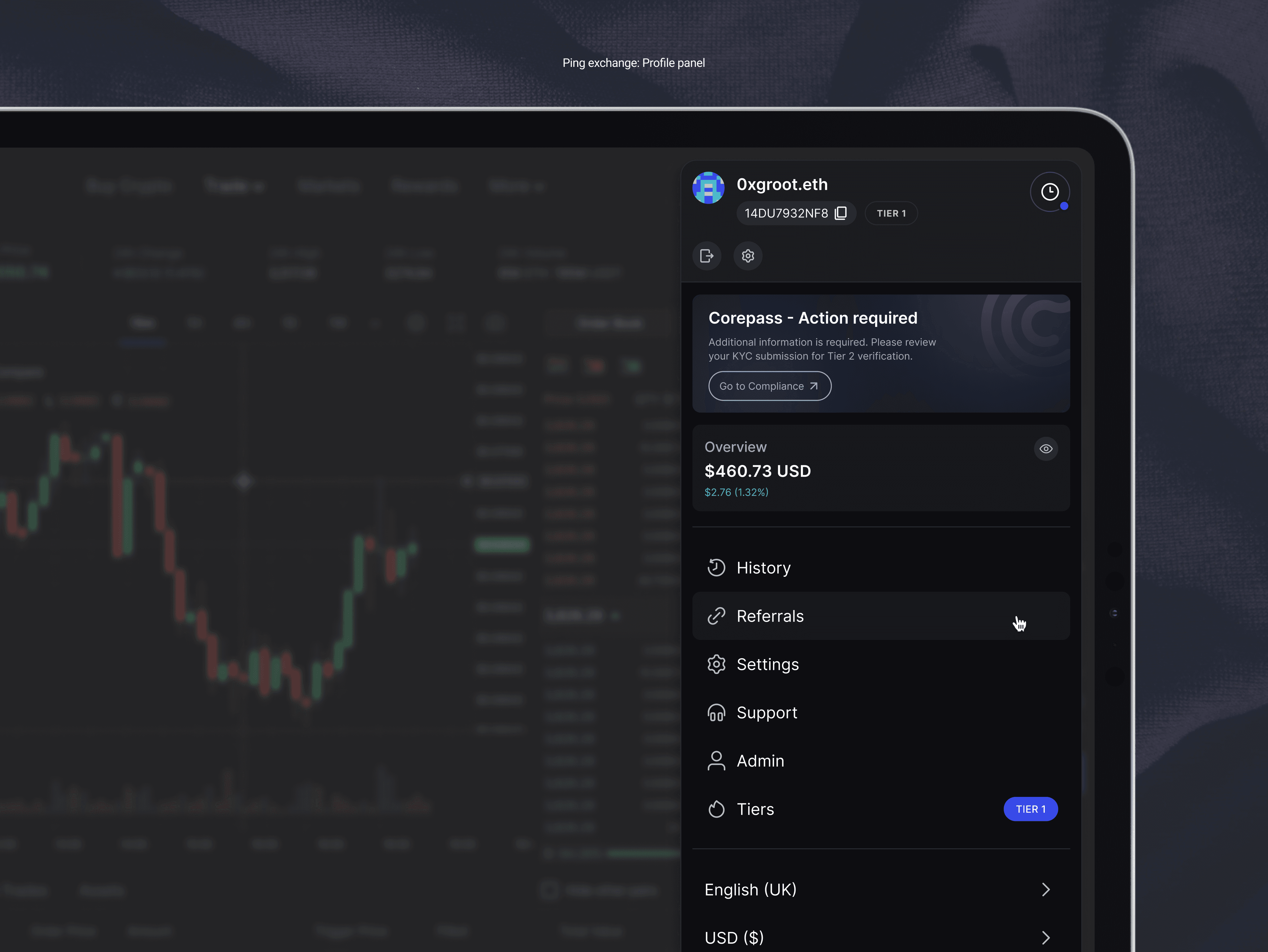
Ping Exchange is a cryptocurrency trading platform that allows users to trade digital assets across multiple trading pairs. It combines centralized exchange functionality with decentralized blockchain infrastructure, while supporting peer-to-peer (P2P) trading. The platform also integrates identity verification and anti-money laundering (AML) compliance through the CorePass system to ensure secure and compliant transactions.
My role was to redesign the trading experience, improving usability and clarity across desktop and mobile while aligning the platform with modern exchange standards for both beginner and experienced traders.
Key Features:
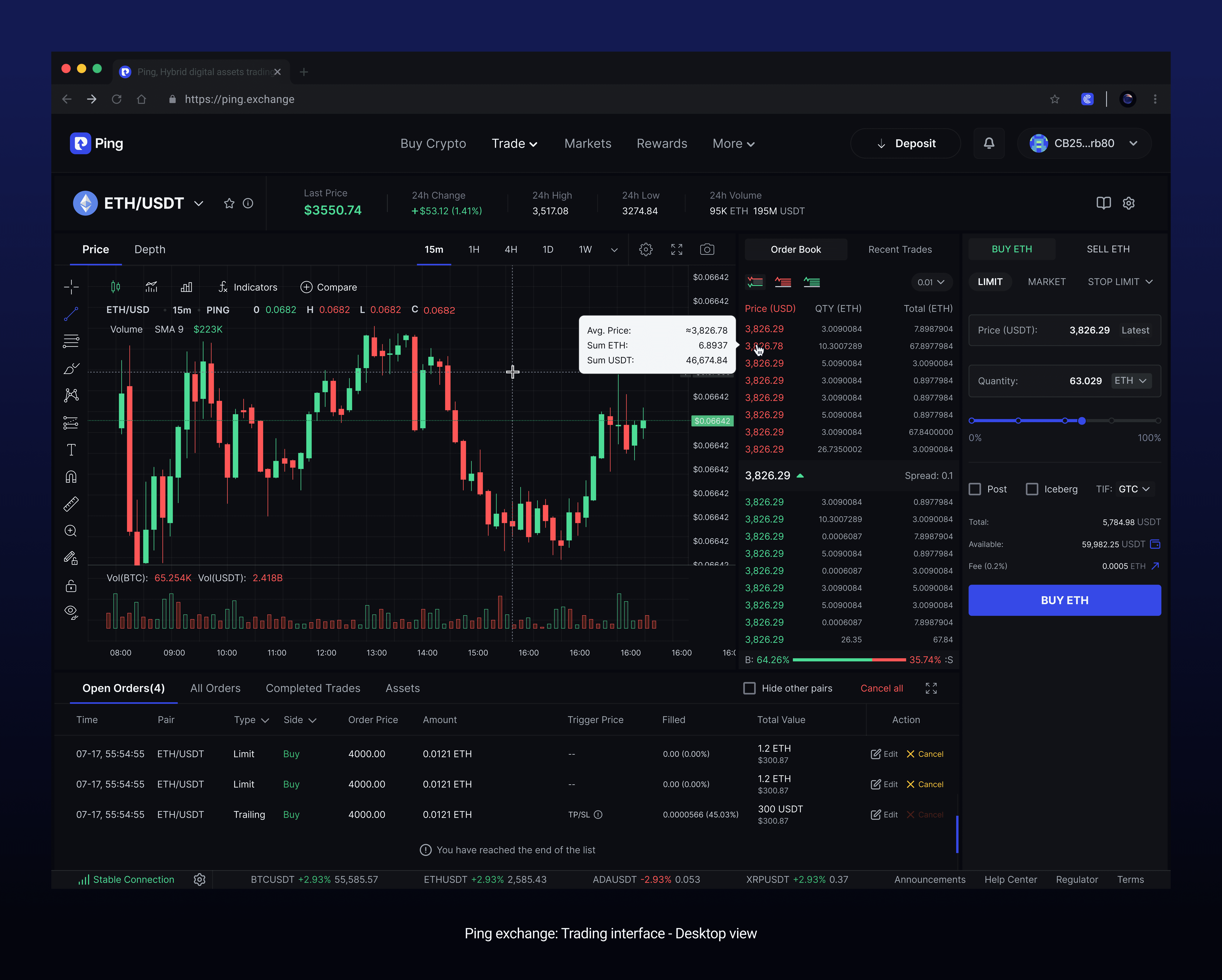

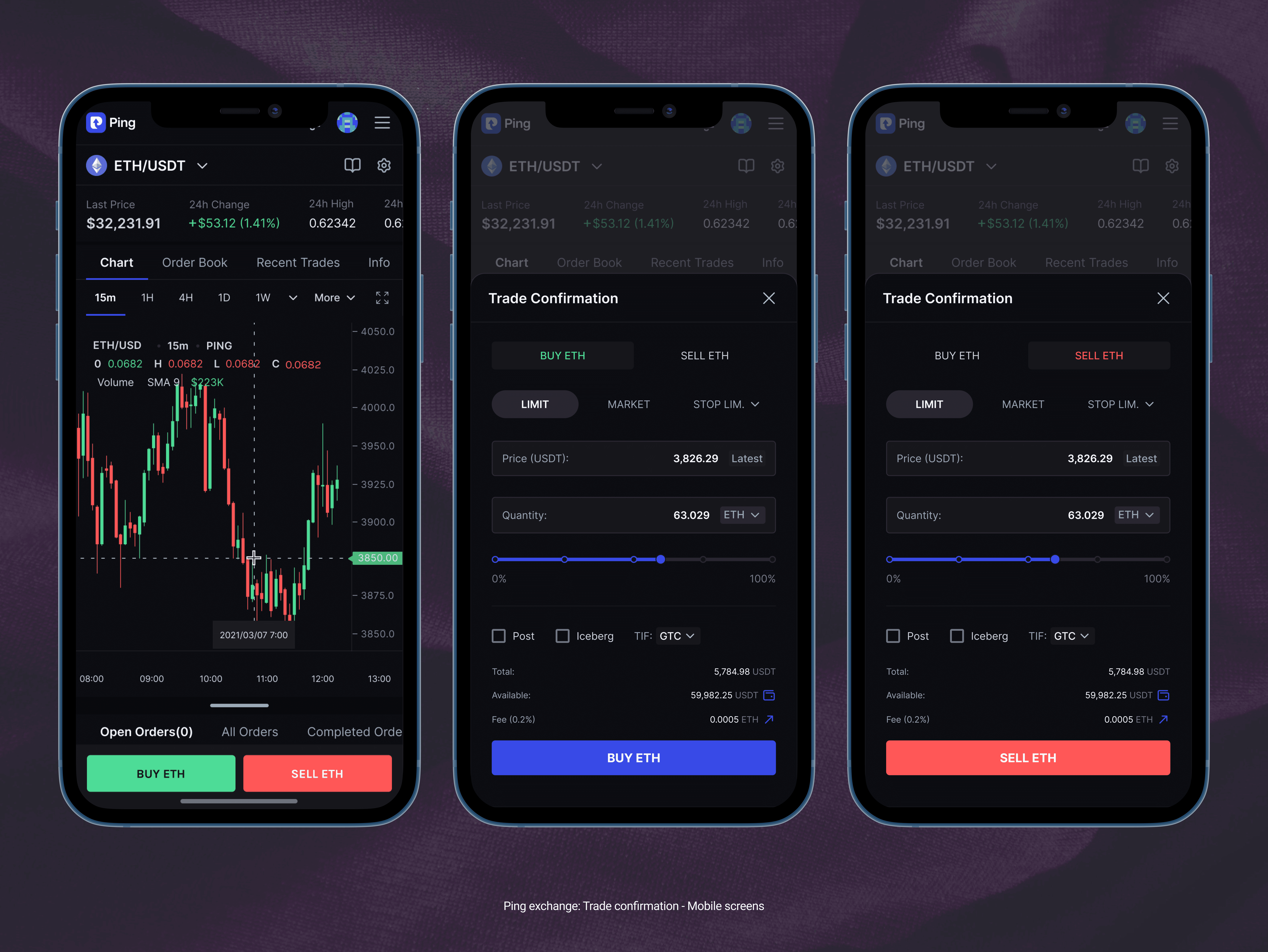
Advanced Order Types: Support for Limit, Market, Stop Limit orders with advanced features like Post-Only, Iceberg orders, and Time-in-Force settings for experienced traders.
Fullscreen Chart Mode: Dedicated charting view powered by TradingView with uninterrupted access to indicators, timeframes, and price action analysis tools.
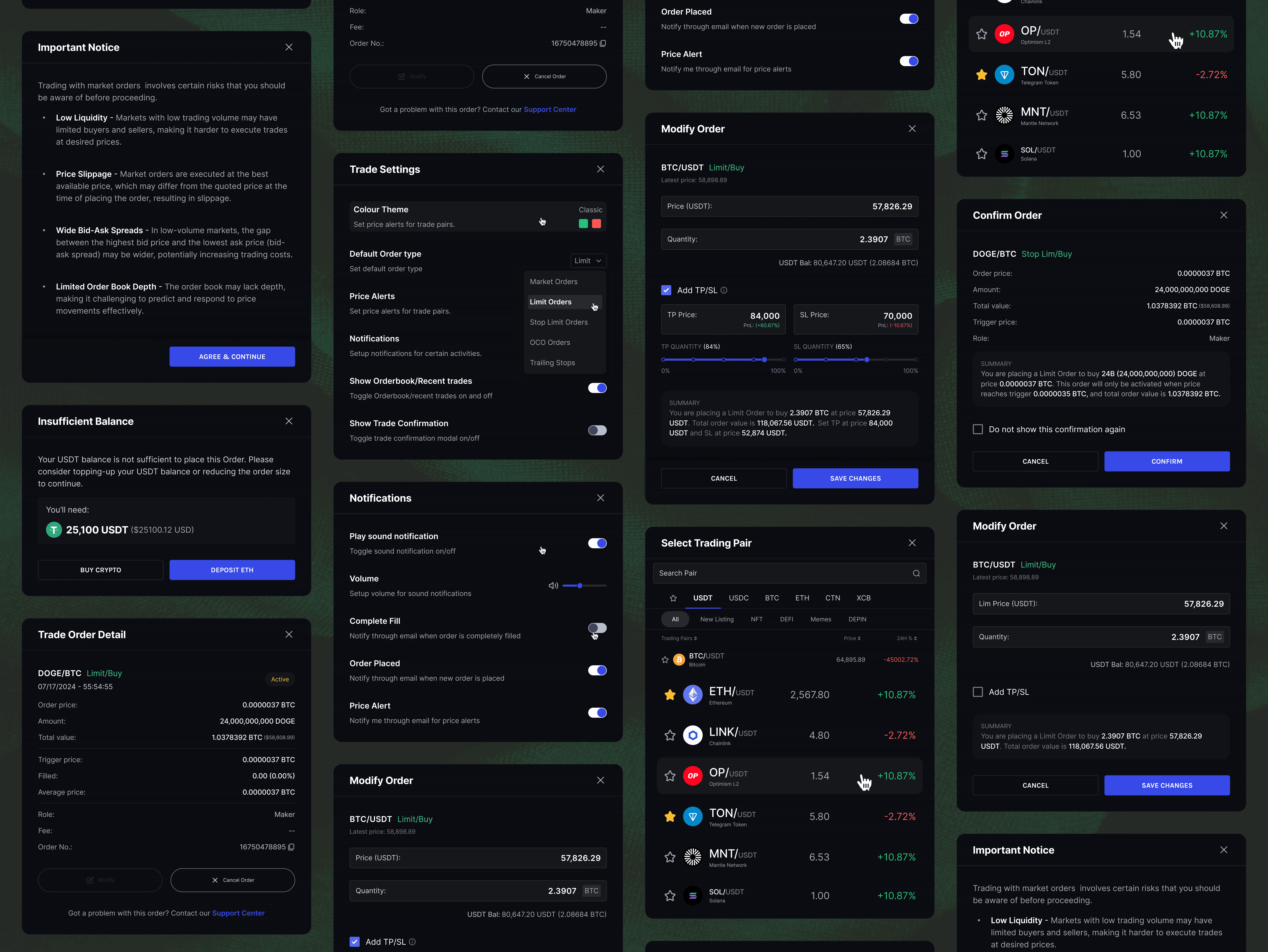
Organized Trading Pairs: Category-based filtering (New Listings, NFT, DeFi, Memes, DePIN) with favorites and 24-hour price change indicators for quick market discovery.
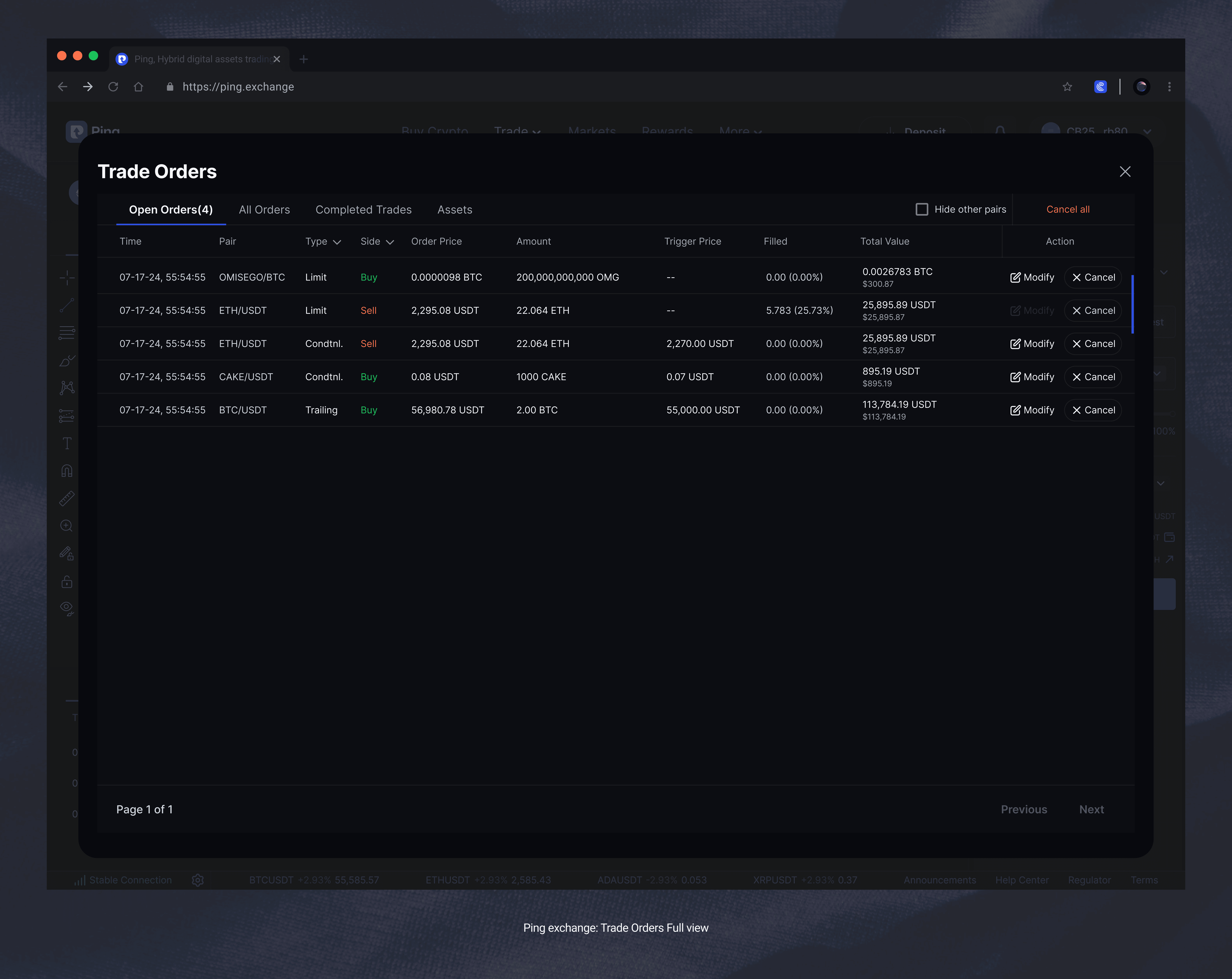
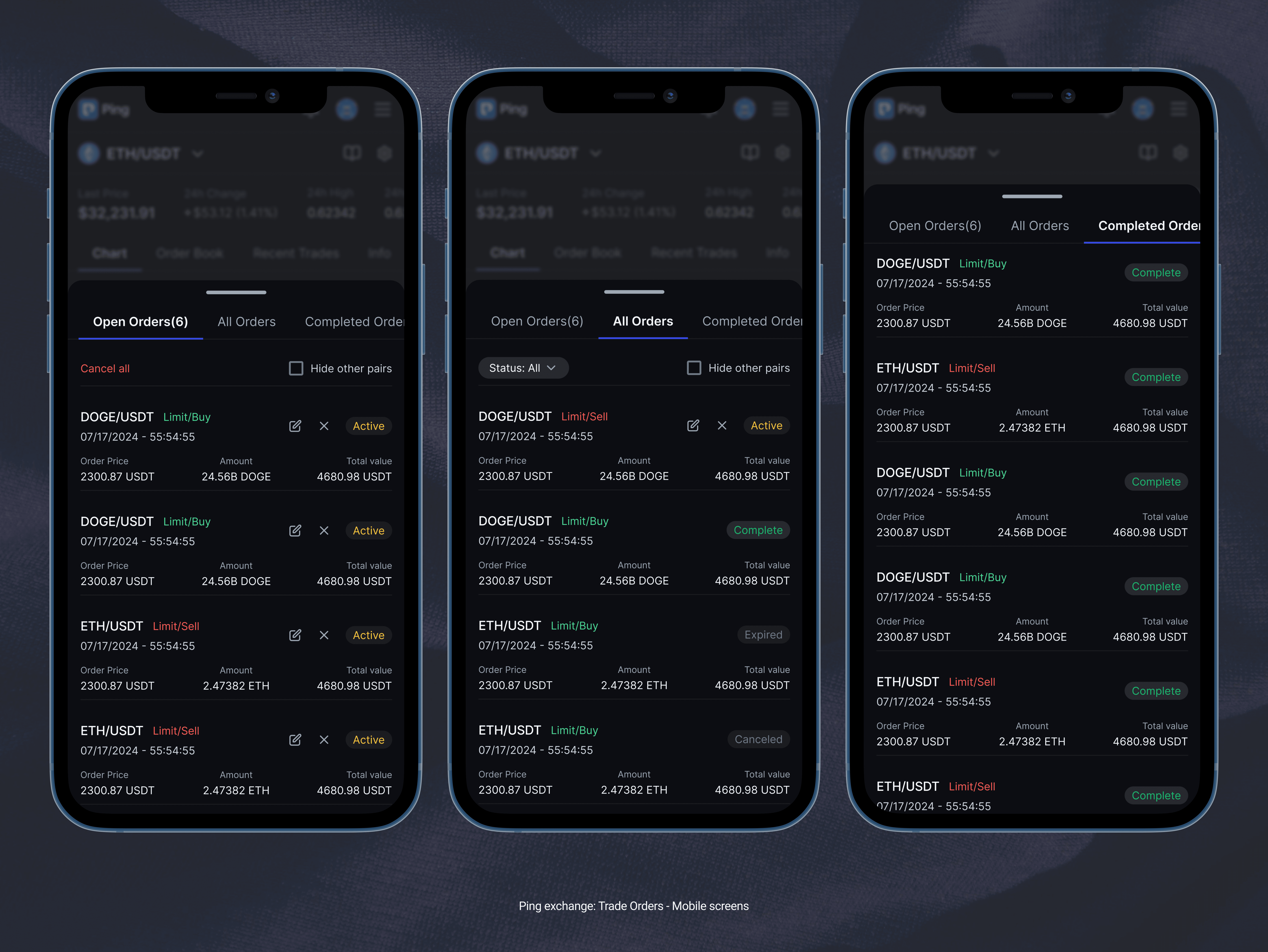
Comprehensive Order Management: Clear order state tracking (Active, Completed, Expired, Cancelled) with quick actions for editing and bulk cancellation across multiple pairs.
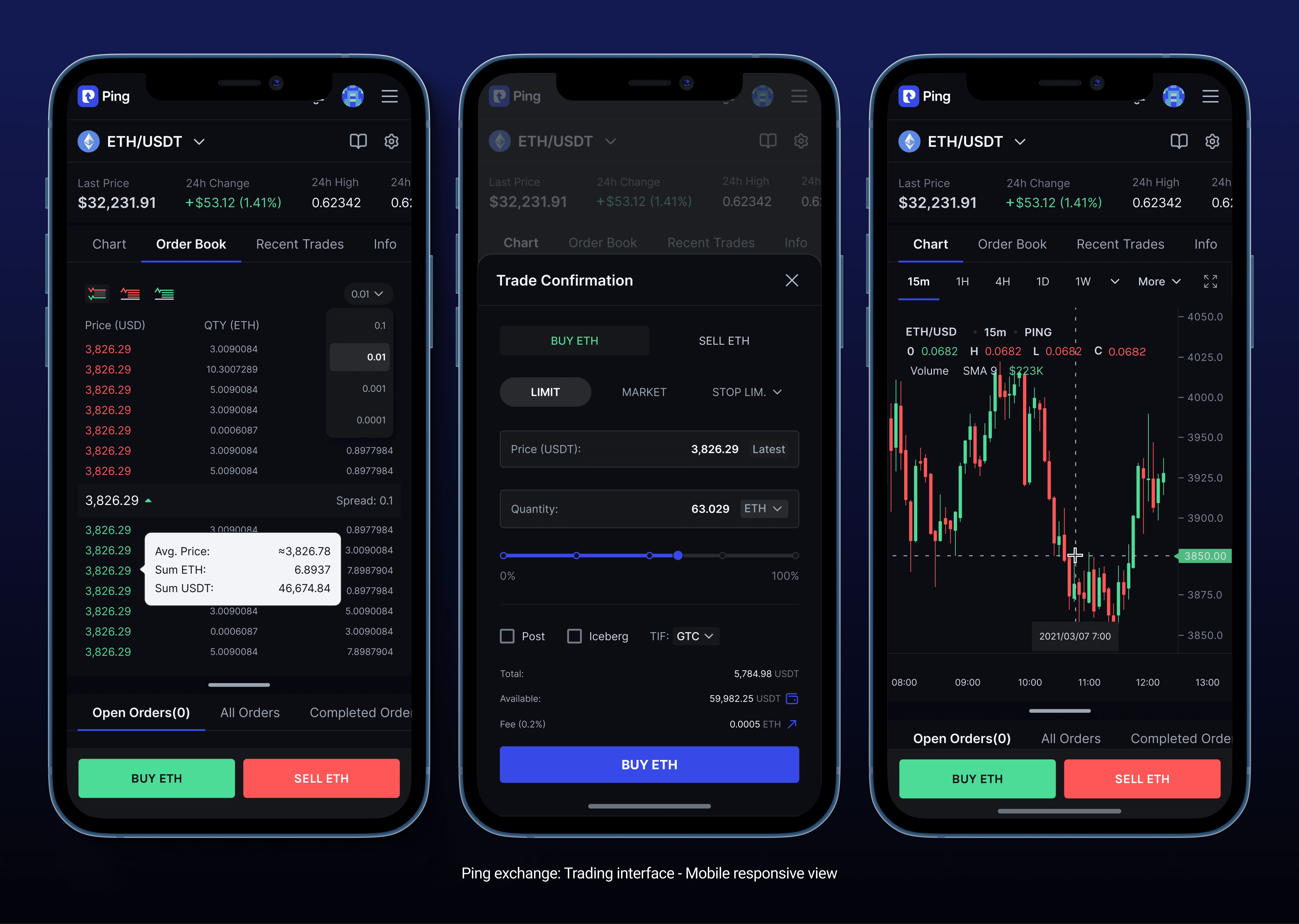
Mobile-Optimized Trading: Full trading functionality on mobile through progressive disclosure, persistent buy/sell actions, and modal-based expansion for complex features.
THE CHALLENGE
The existing interface didn't meet competitive standards
The existing trading interface was built from a template that didn't align with the brand or meet competitive industry standards. Users struggled with unclear feedback mechanisms; no confirmation signals or clarity when actions were taken. The platform lacked the professional tools traders expect from modern exchanges, making it difficult to compete with established platforms like Binance or Kraken.
The primary users included both experienced crypto traders who needed advanced features and beginners exploring trading for the first time. The interface needed to serve both audiences without compromising on depth or accessibility.
SOLUTION
Balancing professional functionality with clarity
I redesigned the trading experience to balance professional functionality with clarity, ensuring traders could execute with confidence while maintaining access to the tools they needed. The interface now provides clear feedback mechanisms, supports both beginner and advanced traders, and maintains functionality across desktop and mobile without sacrificing depth or usability.
IMPACT & STATUS
A modern trading experience that competes with established platforms
By redesigning the trading interface from the ground up, Ping Exchange now offers a professional, modern trading experience. The new design provides clear feedback mechanisms, supports both beginner and advanced traders, and maintains functionality across desktop and mobile without sacrificing depth or usability. Traders can now execute with confidence, access the tools they need, and manage their positions effectively, all within an interface that feels both familiar and refined.




DESIGN APPROACH
Preserving trading depth while maintaining clarity
Mobile-First Complexity Management
The biggest challenge was maintaining trading depth while ensuring clarity on mobile. Crypto trading interfaces have multiple data streams: charts, order books, and trade history. On desktop, these can exist side-by-side, but mobile layouts can cause cognitive overload.
I applied three principles:
Progressive disclosure: Key modules are separated into tabs (Chart, Order Book, Recent Trades).
Action prioritization: Buy and Sell actions are always accessible at the bottom.
Modal-based expansion: Complex functions expand into overlays when needed.
Fullscreen Chart Mode
Many traders make decisions purely from chart analysis. In a standard trading layout, charts share space with order books and forms. Technical traders need uninterrupted access to indicators, timeframes, and price action. Fullscreen mode turns the device into a dedicated charting tool—especially valuable on mobile where screen real estate is limited.
Intuitive Position Sizing
The quantity slider was introduced to simplify position sizing. This is already established practice in most trading tools and exchanges because it speeds up the workflow. Manual input is precise but slow, especially on mobile. The slider allows traders to quickly allocate a percentage of their available balance (25%, 50%, 75%, 100%). This pattern aligns with how traders actually think about positions: as portions of their portfolio rather than exact numbers.
Balancing Beginner and Advanced Features
Features like Post-Only, Iceberg orders, and Time-in-Force settings are valuable for advanced traders but confusing for beginners. To balance this, I used hierarchy (core order types clearly visible, advanced settings lower in the form), optional interaction (checkbox toggles that don't add visual complexity), and familiar trading conventions (labels like TIF: GTC that follow standard exchange terminology).
Category-Based Pair Discovery
Trading pair filters reflect how crypto traders mentally organize the market. Rather than scanning hundreds of tokens, users can explore sectors or narratives (New Listings, NFT, DeFi, Memes, DePIN). This improves discovery, speeds navigation, and helps new traders explore market sectors. The star icon for favoriting creates personal watchlists for frequently traded pairs.
Clear Order State Management
Orders can exist in multiple states: Active, Completed, Expired, and Cancelled. Clearly separating these states improves trader confidence and transparency. The tab system (Open Orders, All Orders, Completed Trades) allows users to quickly answer: Which orders are still live? Which trades executed? Which orders failed or expired? This clarity is essential for risk management and auditability.
KEY LESSONS
What redesigning a trading platform taught me about data complexity
Progressive Disclosure is Essential for Complex Interfaces
Trading platforms contain too much simultaneous data for mobile screens. I learned that hiding complexity behind tabs and modals improves usability and doesn't affect functionality. Users can still access everything they need, but only when they need it.
Conventions Exist for a Reason
Trading interfaces rely on instant recognition. Using familiar visual patterns (dark themes, red/green indicators) reduces cognitive load and prevents costly misinterpretations. Innovation should happen in clarity and hierarchy, not in reinventing established signals.
Sliders Speed Up Common Workflows
Traders think in percentages of their portfolio, so they rarely input exact position sizes. Adding a slider for position sizing was one of the highest-impact, lowest-effort improvements. It's a reminder that understanding user mental models matters more than feature complexity.
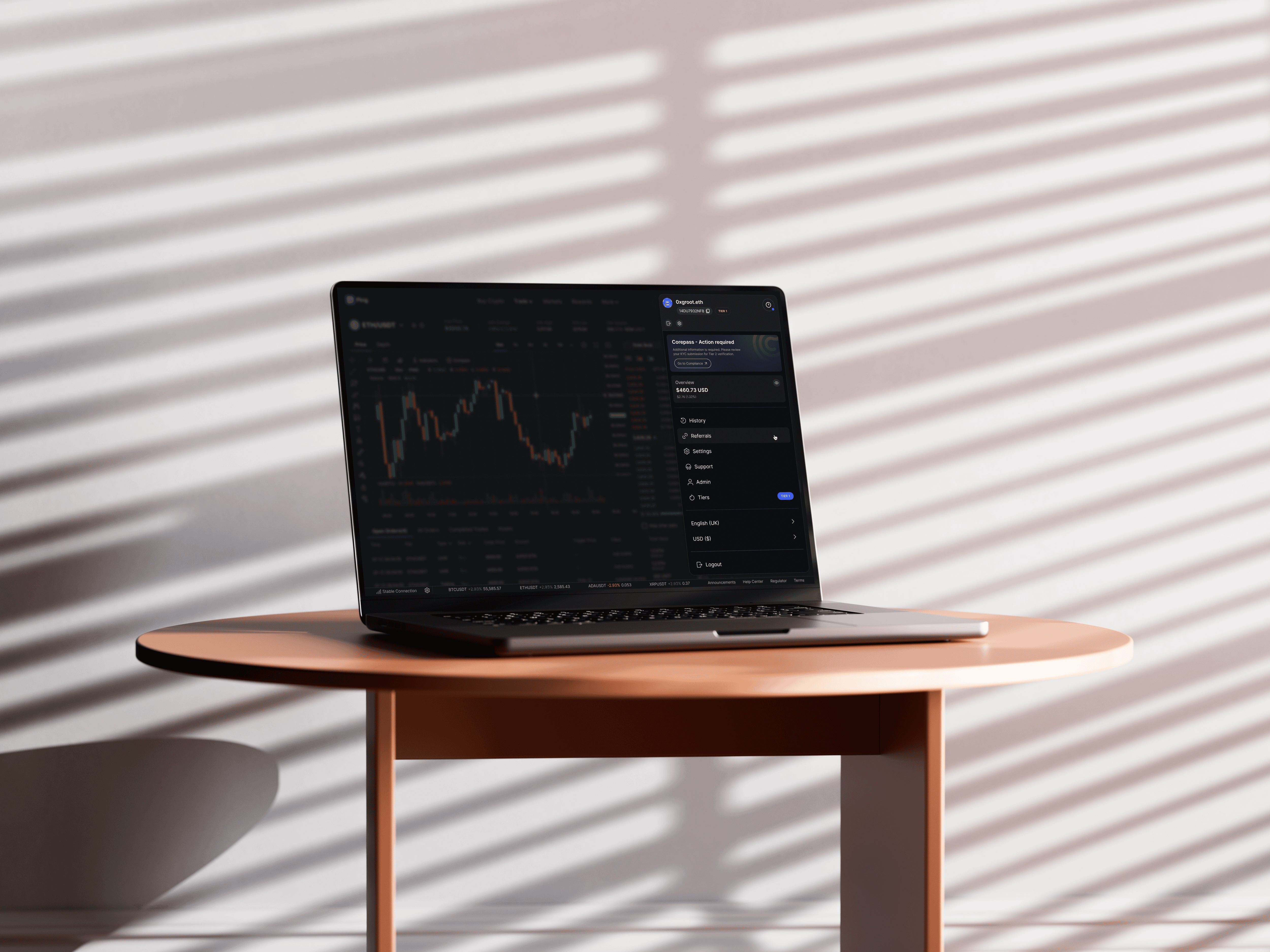
Separate Compliance from Core Flows
Forcing KYC verification mid-trade breaks momentum and creates frustration. I learned to place compliance requirements in contextual areas (like profile settings) where users can address them when ready. This respects regulatory needs without disrupting the primary experience.